The Power of the Passport: Understanding Global Mobility, Visa Hierarchy, and Freedom of Movement
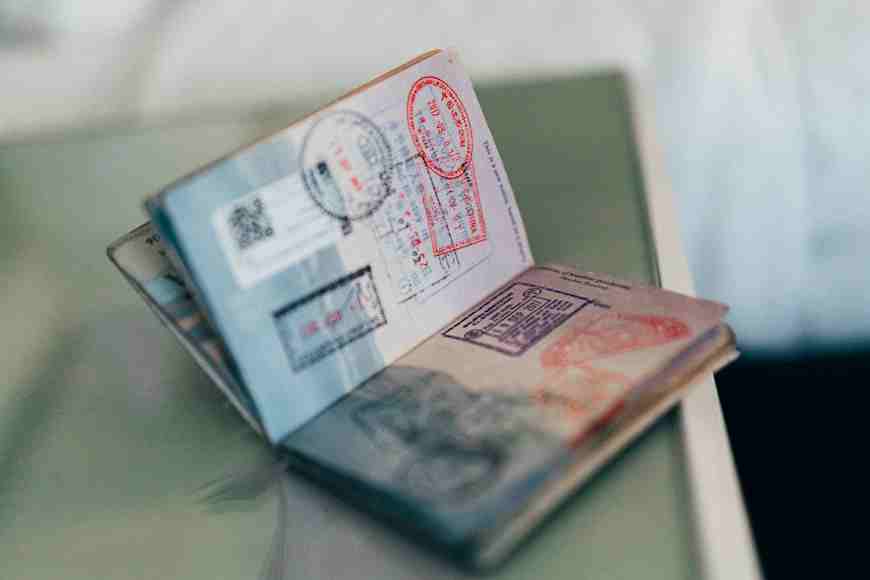
In the modern world, a passport is much more than a bound booklet of high-security paper. It is your primary proof of identity, your ticket to cross borders, and a key administrative tool for living an international life. In many regions, it is even required for basic financial tasks, like exchanging foreign currency or opening a multi-currency bank account.
At its core, however, a passport’s primary job remains unchanged: serving as a key to foreign soil. It is the document that holds the visas, entry stamps, and electronic approvals that grant us passage into new cultures, markets, and landscapes.
Yet, as international travel rapidly digitalizes, the way we cross borders is shifting. More importantly, not all passports unlock the world equally. Understanding how passport "strength" works—and how to navigate the global mobility system—is essential for any traveler, professional, or curious global citizen.
1. What Exactly is "Passport Strength"?
When experts talk about a passport's "strength" or "power," they are referring to its Mobility Score. In practical terms, this score measures how many sovereign countries and territories a passport holder can enter without having to apply for a traditional visa in advance through an embassy or consulate.
A higher score means fewer administrative hurdles, fewer visa fees, and the freedom to book a flight on short notice without waiting weeks for diplomatic approval.
Setting the Record Straight: How Many Countries Can Top Passports Really Enter?
Fact Check & Correction: A common misconception is that top-tier passports grant access to "around 150 countries." In reality, the world’s strongest passports—such as those issued by Singapore, Japan, France, Germany, Italy, and Spain—grant visa-free or visa-on-arrival entry to 192 to 195 destinations out of the 227 global travel locations tracked internationally.
A passport with access to 150 destinations is far from the top tier; it usually sits around the 30th to 35th global rank (held by nations like Colombia, Peru, or Georgia).
How Passport Rankings Work: Henley vs. Arton Capital
You might notice slightly different passport rankings depending on where you look. This is because the two major global tracking indices use different methodologies:
- The Henley Passport Index: Ranks passports strictly based on official data from the International Air Transport Association (IATA). It measures how many destinations a passport holder can access visa-free or via visa-on-arrival out of 227 total destinations. Under Henley's model, Asian and European powerhouses like Singapore, Japan, France, and Germany consistently battle for the top spot.
- Arton Capital’s Passport Index: Updates rankings in real-time, taking into account temporary diplomatic changes, regional conflicts, and emergency travel declarations. It uses a custom "Mobility Score" that weights true visa-free entry higher than visa-on-arrival. Under Arton’s model, the United Arab Emirates (UAE) frequently claims the #1 position due to its aggressive, modern diplomatic expansion.
2. Decoding the Lingo: Visa-Free vs. eTA vs. eVisa vs. Visa-on-Arrival
Travelers frequently lump all seamless travel under the banner of "visa-free," but entering a foreign country usually falls into one of four distinct categories. Knowing the difference keeps you from getting turned away at the airport check-in counter.
┌─────────────────────────────────────────────────────────────────────────┐
│                       GLOBAL ENTRY HIERARCHY                            │
├───────────────┬───────────────────┬───────────────────┬─────────────────┤
│   VISA-FREE   │       eTA         │      eVISA        │ VISA-ON-ARRIVAL │
│ (Zero Friction)│ (Pre-Screening)   │ (Digital Process) │  (At Border)    │
└───────────────┴───────────────────┴───────────────────┴─────────────────┘
| Entry Type | How It Works | Advance Action Required? | Typical Processing Time | Examples |
| True Visa-Free | You present your passport directly to border control. No extra paperwork or prior digital approval needed. | None. Just buy a ticket and fly. | Instant (at border gate) | EU citizens traveling within the Schengen Area; US citizens entering the UK or Canada (historical/direct). |
| Electronic Travel Authorization (eTA) | A digital pre-screening system for visa-exempt travelers. It checks criminal and security databases before you board. | Yes. Must apply online before flying. | Minutes to 72 hours | US ESTA, European ETIAS, UK ETA, Australian ETA. |
| Electronic Visa (eVisa) | A full visa application submitted online rather than at an embassy. Requires uploading documents and paying a fee. | Yes. Must be approved before departure. | 24 hours to 7 business days | India eVisa, Vietnam eVisa, Turkey eVisa. |
| Visa-on-Arrival (VoA) | You arrive at the destination airport or land border, fill out a physical form, pay a fee, and receive a sticker/stamp. | Minimal. Completed at the destination terminal. | 15 to 60 minutes in line | Thailand VoA, Egypt VoA, Indonesia VoA. |
3. Why Passport Mobility Matters in Real Life
A strong passport is not just about bragging rights on social media or collecting colorful ink stamps in your booklet. It offers practical advantages across personal, professional, and financial life.
                          ┌───────────────────────────┐
                          │   WHY MOBILITY MATTERS    │
                          └─────────────┬─────────────┘
                                        │
      ┌─────────────────┬───────────────┴───────────────┬─────────────────┐
      ▼                 ▼                               ▼                 ▼
 ┌──────────┐    ┌─────────────┐                 ┌─────────────┐   ┌─────────────┐
 │ Career   │    │ Emergency   │                 │ Financial   │   │ Personal    │
 │ Agility  │    │ Medical Access│               │ Freedom     │   │ Education   │
 └──────────┘    └─────────────┘                 └─────────────┘   └─────────────┘
Career and Creative Freedom
For business leaders, tech founders, and remote workers, timing is critical. If an urgent client meeting arises in London, Tokyo, or Singapore, a high-ranking passport allows you to board a flight the same day. Conversely, a low-ranking passport might require a 6-week embassy appointment, financial audits, and physical interview appointments just to attend a 2-day conference.
Medical Emergencies
In situations involving rare medical conditions or specialized surgeries, being able to travel immediately to world-leading medical centers in Switzerland, South Korea, or the United States can save lives. When administrative delays are eliminated, patient care can begin without waiting for diplomatic clearance.
Educational Mobility and Global Networking
Students holding high-mobility passports face fewer barriers when attending international universities, joining academic exchanges, or participating in overseas research projects. This seamless movement helps foster global networks early in a career.
Economic and Investment Leverage
Countries tend to build deeper trade ties with nations whose citizens can travel easily. Seamless travel encourages international investors to tour real estate, inspect manufacturing plants, and build local subsidiaries without bureaucratic friction.
4. The Geopolitics of Passport Power: Why Are Some Passports "Stronger"?
Why do citizens of some countries enjoy access to over 190 destinations, while citizens of others require complex visas for almost everywhere they go? Visa policies are carefully calibrated based on national security, economics, and diplomacy.
             ┌──────────────────────────────────────────────────┐
             │       DRIVERS OF NATIONAL PASSPORT POWER         │
             └────────────────────────┬─────────────────────────┘
                                      │
         ┌───────────────────┬────────┴───────────┬───────────────────┐
         ▼                   ▼                   ▼                   ▼
┌─────────────────┐ ┌─────────────────┐ ┌─────────────────┐ ┌─────────────────┐
│ Economic Stability│ │ Low Overstay Risk│ │ Diplomatic       │ │ Biometric       │
│ & High GDP      │ │ & Social Safety │ │ Reciprocity     │ │ Integrity       │
└─────────────────┘ └─────────────────┘ └─────────────────┘ └─────────────────┘
1. Economic Stability and Low Overstay Risk
Destination countries design their immigration policies to minimize the risk of visitors overstaying their visas or seeking illegal employment. Citizens from high-GDP nations with strong social safety nets, stable employment markets, and high average incomes are statistically viewed as low-risk tourists who will return home after spending money in the local economy.
2. The Tourism Economy
Tourism is a major driver of the global economy. To attract high-spending international visitors, many developing or tourist-dependent nations unilaterally drop visa requirements for citizens of wealthy states. By removing friction at the border, a country makes itself a more attractive destination for hotels, restaurants, and local tour operators.
3. Diplomatic Reciprocity
Diplomacy operates on a principle of mutual benefit: "If you let my citizens visit your country easily, I will extend the same privilege to yours."
- The EU Model: The European Union acts as a unified bloc, negotiating visa-free access reciprocally for all member states.
- Strategic Exceptions: Reciprocity isn't absolute. A smaller nation may grant visa-free access to visitors from a larger, wealthier country to boost tourism, even if the larger nation continues to require formal visas from the smaller nation's citizens due to security or economic concerns.
4. Identity Security and Document Integrity
A passport is only as trustworthy as the government agency issuing it. Nations that command high global mobility use advanced biometric passports featuring embedded microchips, anti-tamper iconography, and secure central population databases. When a country can guarantee that a passport cannot be forged and that its background checks are thorough, foreign governments feel much more confident opening their borders.
5. The Leaderboard: Who Holds the World's Most Powerful Passports?
While rankings fluctuate slightly throughout the year, the top tier of global mobility is dominated by a clear group of nations across Europe, East Asia, and the Middle East.
   TOP MOBILITY TIER (190+ Destinations)      MID MOBILITY TIER (100-150 Destinations)
  ┌─────────────────────────────────────┐    ┌─────────────────────────────────────┐
  │ 🇸🇬 Singapore                       │    │ 🇹🇷 Turkey                           │
  │ 🇯🇵 Japan                           │    │ 🇶🇦 Qatar                            │
  │ 🇫🇷 France / 🇩🇪 Germany / 🇮🇹 Italy   │    │ 🇨🇴 Colombia                         │
  │ 🇦🇪 UAE (Top on Arton Index)         │    │ 🇿🇦 South Africa                     │
  └─────────────────────────────────────┘    └─────────────────────────────────────┘
The European Union & East Asian Powerhouses
Countries like Singapore, Japan, France, Germany, Italy, Spain, and South Korea consistently occupy the top spots on the Henley Index. Their citizens can travel to approximately 192 to 195 destinations without a prior visa. These documents provide near-universal access across Europe, North America, South America, and East Asia.
The Rise of the UAE Passport
The United Arab Emirates represents one of the most remarkable diplomatic ascents in modern history. Over the past decade, proactive foreign policy and bilateral trade agreements have moved the UAE passport from a mid-tier document into the top spot on Arton Capital’s Index, offering its citizens seamless access to over 180 destinations worldwide.
6. The Digital Transformation: From Ink Stamps to Biometric Gates
The familiar ritual of border guards stamping paper passport pages with colorful ink is gradually drawing to a close.
  TRADITIONAL BORDER CONTROL                   MODERN BIOMETRIC CONTROL
 ┌───────────────────────────┐                ┌───────────────────────────┐
 │ • Physical ink stamps     │      ───►      │ • Automated e-Gates       │
 │ • Paper visa stickers     │   TRANSITION   │ • Facial & Iris Scans     │
 │ • Manual entry logs       │                │ • Pre-cleared eTA / eVisa │
 └───────────────────────────┘                └───────────────────────────┘
The Rise of Automated e-Gates
Major hub airports across Europe, Asia, North America, and the Middle East now rely heavily on automated border control gates (e-Gates). These systems scan your passport's microchip, compare live facial biometric data against the image stored in the chip, verify your pre-flight eTA or visa status, and open the gate in seconds—all without human intervention.
Digital Pre-Screening: ETIAS and UK ETA
Even traditional visa-free travel now often includes an electronic safety layer.
- ETIAS (European Travel Information and Authorisation System): Requires travelers from visa-exempt nations (such as the US, Canada, Australia, and Japan) to complete a quick online registration before entering 30 European countries.
- UK ETA: A similar electronic authorization required for international visitors arriving in the United Kingdom.
While these systems add a minor administrative step, they help streamline airport processing by screening passengers before they board their flights.
7. Smart Travel Strategies for Lower-Ranked Passports
If your passport sits further down the global mobility scale, you don't have to put your travel dreams on hold. Strategic planning can help overcome mobility constraints.
1. Secure "Anchor" Multi-Entry Visas
Certain long-term, multi-entry visas unlock travel freedom far beyond the issuing country. Holding a valid multi-entry visa or residency permit from specific jurisdictions often grants visa-free or visa-on-arrival entry to dozens of third-party nations:
  IF YOU HOLD A VALID MULTI-ENTRY VISA FROM:

  ┌──────────────────┐     ┌────────────────────────────────────────────────────────┐
  │  US B1/B2 VISA   │ ──► │ Unlocks Mexico, Colombia, Costa Rica, Dominican Rep., │
  │                  │     │ the Philippines, and several Balkan states.            │
  └──────────────────┘     └────────────────────────────────────────────────────────┘

  ┌──────────────────┐     ┌────────────────────────────────────────────────────────┐
  │  SCHENGEN VISA   │ ──► │ Unlocks non-EU European states like Albania, Serbia,   │
  │  (Multi-Entry)   │     │ North Macedonia, and several Caribbean territories.    │
  └──────────────────┘     └────────────────────────────────────────────────────────┘
2. Utilize e-Visas and Regional Travel Hubs
Many nations that used to require embassy visits now offer fast, user-friendly e-Visa portals. Destinations in Southeast Asia (like Vietnam and Cambodia), Central Asia (like Uzbekistan), and East Africa offer online e-Visas that can be approved within 24 to 72 hours.
3. Build a Clean, Verified Travel History
Immigration officers and embassy consular officials look for patterns of reliability. Maintaining a spotless travel record—never overstaying a visa, entering and exiting strictly on time, and keeping clean financial records—makes securing future long-term, multi-entry visas significantly easier over time.
Looking Ahead: A World Beyond Borders
The global mobility landscape is dynamic. Diplomatic ties shift, new trade alliances form, and digital immigration systems continue to streamline international travel.
While passport strength reflects complex geopolitical and economic realities, it does not limit your curiosity. By staying informed about visa policies, taking advantage of modern e-Visa systems, and planning strategically, you can navigate the world with confidence—no matter which country's emblem is stamped on the front of your booklet.