The Kingdom in the Clouds: Unveiling the Heart, Soul, and Realities of Bhutan
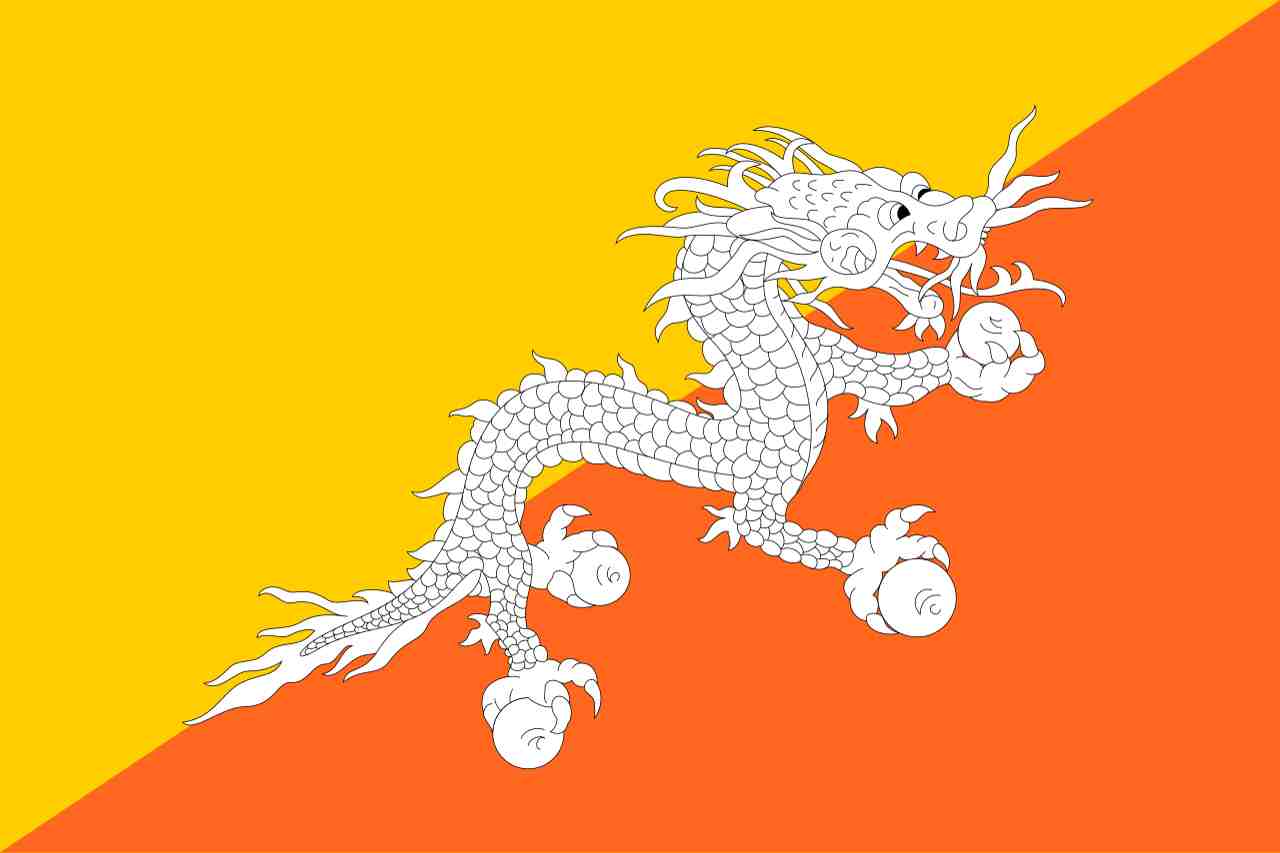
When we think of the majestic Himalayas, our minds naturally drift to snow-capped peaks, fluttering prayer flags, and the quiet ring of monastery bells echoing across misty valleys. Tucked away deep within these dramatic folds lies Bhutan, a landlocked sovereign nation that often feels as though it exists entirely in a different era. Frequently romanticized as the "Land of the Thunder Dragon," Bhutan is widely regarded as one of the most peaceful, spiritually grounded, and environmentally conscious nations on Earth.
Yet, this unique reputation is not an accident of geography or blind luck. It is the result of deliberate policy decisions, a distinct cultural philosophy, and a collective national will that has chosen to walk its own path toward development. For any international traveler planning a journey to this extraordinary corner of South Asia, understanding the nuanced realities of Bhutanese life is not just a helpful background detail—it is essential for crafting an enriching, respectful, and deeply memorable experience.
A High-Altitude Sanctuary Between Giants
Geographically speaking, Bhutan is entirely landlocked, meaning it has zero direct access to the sea or global maritime trade routes. It exists as a small, high-altitude Himalayan kingdom squeezed squarely between the world’s two most populous global giants: China to the north and India to the south.
This unique geopolitical location has historically served as both a natural buffer and a diplomatic tightrope. For centuries, this isolation allowed Bhutan to meticulously cultivate a cultural identity completely distinct from its massive neighbors while simultaneously navigating the complex, shifting political tides of the region. Today, while it is no longer isolated from the world, it remains deeply protective of its sovereign space and natural environment.
The Law of Attire: Preserving Cultural Heritage
One of the most visually striking aspects of Bhutanese culture is its deep-rooted, institutionalized respect for tradition, which is immediately visible in the country's public dress code. By national custom and official regulation, citizens are required to wear traditional Bhutanese attire while working in government offices, attending school, or participating in official public functions.
For men, the national dress is the Gho—a knee-length, robe-like garment securely tied at the waist by a woven cloth belt. For women, it is the Kira—an elegant, floor-length dress consisting of a rectangular piece of fabric wrapped around the body, pinned neatly at the shoulders, and fastened with a belt.
For the international traveler, however, there is no such legal mandate or clothing requirement. You are completely free to wear comfortable, modern travel clothing that suits your personal preferences. The only expectation is that you remain mindful of local cultural sensitivities by dressing modestly when visiting sacred Buddhist monasteries, temples, and official government institutions.
The Famous Absence of Traffic Lights
Perhaps one of the most charming and widely shared urban legends about Bhutan is its resolute, ongoing rejection of standard automated traffic lights. In almost every major capital city across the globe, traffic signals are viewed as an absolute, mundane necessity of modern urban life. In Thimphu, the vibrant capital of Bhutan, they are viewed quite differently.
Back in 1995, the municipal government made a brief, pragmatic attempt to install automated traffic lights at a major intersection in the city. The public reaction, however, was swift, vocal, and overwhelmingly negative. The local citizens found the flashing lights to be cold, robotic, and entirely out of touch with the community-oriented spirit of the capital. They strongly preferred the presence of a human being to manage the flow of vehicles.
Consequently, the traffic lights were removed within days. Today, if you visit the heart of Thimphu, you will still find a beautifully hand-painted, canopied booth in the middle of the main intersection, where a traffic police officer guides vehicles using crisp, elegant, and rhythmic hand gestures. It stands as a delightful, daily reminder of a society that actively chooses human connection over cold, automated efficiency.
A Careful, Intentional Approach to Modernity
Bhutan’s relationship with modern technology and global media has always been cautious, measured, and deeply intentional. For generations, the country lived completely without television or commercial internet access, a conscious protective measure designed to shield its traditional Buddhist culture from being rapidly eroded by outside influences.
This era of media isolation famously shifted in 1999, when the government officially lifted the ban and introduced television and internet services to the public. Interestingly, the catalyst for this monumental change was something of a cultural shock: the global craze of football. During the 1998 FIFA World Cup, fans across the country were deeply frustrated by their inability to watch the matches live, sparking a massive national conversation about the necessity of global connectivity in the modern age. When television finally arrived, the government coupled it with robust educational campaigns, ensuring that local heritage remained central to daily life even as the digital doors swung open.
Gross National Happiness (GNH): Redefining Success
Perhaps the most famous intellectual and political export of modern Bhutan is its pioneering national philosophy: Gross National Happiness (GNH). While the vast majority of the global economy remains unblinkingly fixated on the relentless pursuit of GDP growth and industrial output, Bhutan took a radically different path back in the 1970s by choosing to institutionalize the measurement of its citizens' holistic well-being.
Gross National Happiness is not merely a catchy political slogan or a tourist marketing gimmick; it is the official, binding framework used by the government to assess national progress and draft public policy. Every major law, infrastructure project, and economic strategy is rigorously scrutinized for its potential impact on the psychological health, community vitality, ecological resilience, and cultural preservation of the population. It stands globally as a bold, inspiring reimagining of what a country's true success looks like.
The Reality of Tobacco Regulations
A common point of curiosity among international tourists revolves around smoking laws in Bhutan. Can you smoke? The short answer is yes, but the legal and social environment is uniquely restrictive. Smoking in public places, parks, and entertainment venues is strictly prohibited across the country.
Historically, Bhutan gained international fame for enforcing a near-total ban on the commercial sale and production of tobacco products within its borders through the landmark Tobacco Control Act of 2010. While recent legislative amendments have adjusted certain import duties and commercial retail rules to curb illegal black markets, importing tobacco for personal use remains subject to strict customs declarations, high taxes, and severe restrictions. It is a policy that underscores the nation's profound, enduring commitment to public health, clean air, and Buddhist principles of mindful living.
A True Carbon-Negative Pioneer
Bhutan’s commitment to environmental preservation is virtually unmatched anywhere else on the globe. The national constitution enshrines a powerful environmental mandate: at least 60 percent of the country’s total land area must remain under robust forest cover in perpetuity. Today, thanks to strict conservation policies and community stewardship, that figure actually hovers around an impressive 70 percent.
Because of this staggering expanse of protected forests combined with a relatively low industrial footprint, Bhutan holds the official title of being the world’s only carbon-negative country. It does not merely achieve net-zero emissions; its dense forests actively absorb significantly more carbon dioxide from the atmosphere than the entire nation produces, serving as a vital, breathing green lung in the heart of the majestic Himalayas.
The Thrill and Challenge of Paro International Airport
If you are dreaming of arriving in Bhutan via a casual, routine commercial flight or a private jet, it is worth preparing for a unique aviation experience. Paro International Airport, the sole international gateway into the country, is universally recognized by commercial pilots as one of the most challenging and technically demanding airports in the entire world.
Situated deep within a steep, narrow Himalayan valley surrounded by jagged peaks soaring up to 18,000 feet, the airport requires pilots to execute complex visual maneuvers, banking sharply between mountain ridges just seconds before touchdown. Because of these extreme geographical constraints, only a select, highly specialized group of elite commercial pilots—fewer than 50 globally—are ever certified to land at Paro. Flying into this mountain sanctuary is not just a standard travel commute; it is an unforgettable, heart-pounding adventure that immediately sets the tone for your entire Himalayan expedition.
The Sacred Sanctity of Unclimbed Peaks
For mountaineering enthusiasts dreaming of conquering high-altitude summits, Bhutan holds a very specific and surprising distinction: it is home to Gangkhar Puensum, widely acknowledged as the highest completely unclimbed mountain in the entire world.
Unlike other alpine regions where governments encourage competitive mountaineering and peak bagging, Bhutan strictly prohibits all climbing on mountains exceeding 6,000 meters in elevation. This restriction is rooted in deep local spiritual beliefs and indigenous cosmology, which hold that high mountain peaks are the sacred, undisturbed dwellings of protective deities and local spirits. By banning mountaineering on these sacred heights, the government preserves the deep spiritual sanctity of the landscape, keeping the high wilderness entirely pristine and untainted by human commercial conquest.
Archery: The National Passion and Festival Life
Archery is far more than a simple recreational pastime in Bhutan—it is the vibrant, undisputed national sport. Introduced into daily life with immense fanfare, traditional archery matches are central to social gatherings, village celebrations, and religious festivals across the country.
Unlike quiet, solitary archery ranges found in other parts of the world, a Bhutanese archery tournament is a loud, incredibly festive, and high-energy community event. Competitors use high-powered compound or traditional bamboo bows to hit targets placed over 140 meters away. Matches are accompanied by lively traditional singing, rhythmic dancing, colorful banter, and enthusiastic cheering from spectators. To witness a local archery match is to experience Bhutanese culture at its absolute finest: communal, joyful, deeply connected, and vibrantly celebratory.
Traveling with Purpose: Sustainable Tourism
Traveling to Bhutan requires a level of advanced planning and financial consideration that sets it apart from conventional backpacking destinations. To protect its delicate ecosystems and unique cultural heritage from the degradation of mass tourism, the Royal Government of Bhutan long utilized a famous "High Value, Low Volume" tourism framework, anchored by the Sustainable Development Fee (SDF).
This daily tourism levy is reinvested directly back into the country's public infrastructure, free healthcare, modern education systems, and environmental conservation projects. By ensuring that tourism growth remains measured and sustainable, Bhutan protects its treasures while offering visitors an unhurried, deeply immersive encounter with a society that refuses to compromise its core values for quick economic gains.
Conclusion: An Invitation to a Different Way of Being
Bhutan is a nation that gently asks every visitor to slow down, breathe deeply, and reflect on the true purpose behind their travels. Whether through its unique approach to municipal management, its constitutional dedication to forest preservation, or its foundational commitment to national happiness, this Himalayan kingdom challenges our conventional, fast-paced definitions of modern development.
It stands as a living, breathing testament to the idea that a society can embrace modern education and connectivity while fiercely protecting its cultural soul. When you pack your bags for the Himalayas, prepare not just to see a new country on a map, but to engage with an entirely different way of being. Bhutan is waiting to offer you a perspective on life, community, and nature that you will likely not find anywhere else on Earth.