Life at the Edge of the Thermometer: Inside Oymyakon, the Coldest Village on Earth
Are you the sort of person who thrives in the glowing warmth of the summer sun, or do you find yourself yearning for the crisp, biting stillness of deep winter? For most of us, winter means wrapping up in a cozy sweater, sipping a hot cup of coffee, and perhaps complaining when the windshield needs a quick scraping. But if you are a true devotee of the cold—if you genuinely want to test the absolute limits of human endurance—there is a place that redefines what "winter" actually means.
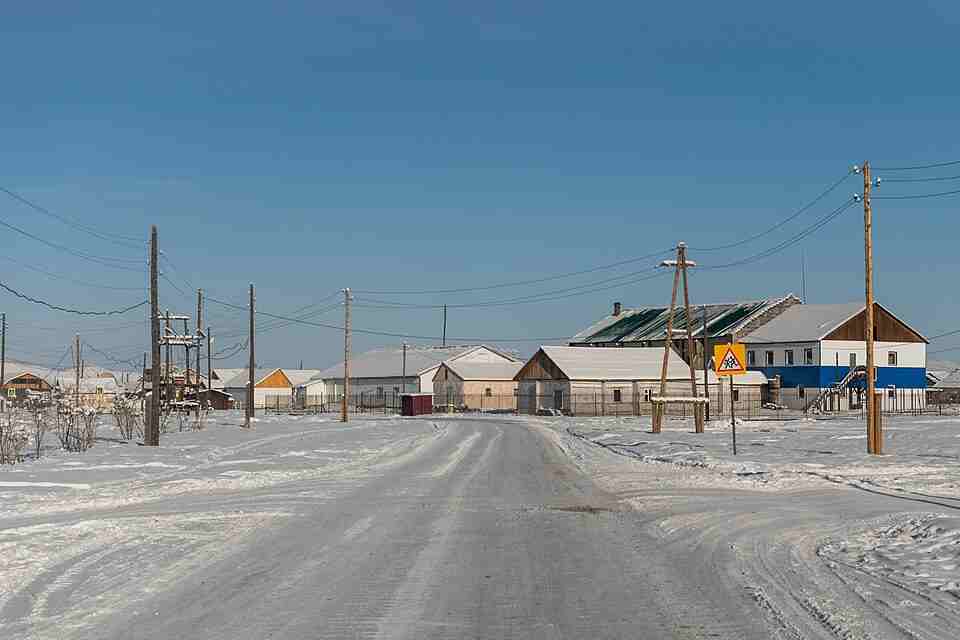
Hidden away deep in the heart of the Siberian wilderness lies a settlement that defies the conventional boundaries of human habitation. This is a place that exists not merely in spite of its fiercely hostile environment, but in a delicate, relentless, daily negotiation with it. Welcome to Oymyakon, a remote Russian village that proudly and undeniably stands as the coldest permanently inhabited place on Earth.
Here, the cold isn't just a season; it is a physical entity, a constant companion, and a demanding landlord. To understand Oymyakon is to understand the incredible resilience of the human spirit.
Antarctica vs. Siberia: The Soul of a Community
When we contemplate the most frigid, unforgiving points on our planet, our minds naturally drift toward the vast, white expanse of Antarctica. It is a continent entirely defined by ice, where the mercury plummets to levels that make sustained human life completely impossible without massive, continuous external support. However, Antarctica is essentially a pristine wilderness of transient researchers, scientists, and temporary visitors. It has never supported a permanent, multi-generational human settlement. It possesses the most brutal climate on Earth, yes, but it lacks the organic soul of a genuine community.
Oymyakon, by stark contrast, is a living, breathing village. Tucked away in the Sakha Republic (Yakutia) of Russia, it regularly experiences temperatures that rival the desolate interior of the Antarctic continent. Yet, here, you will find a vibrant pulse of life. Families raise their children, small businesses operate, and daily domestic life persists in the face of atmospheric conditions that would instantly paralyze almost any other city in the world. It is a powerful testament to human adaptation, standing as a defiant pocket of civilization at the very edge of the habitable world.
The Harrowing Journey: The Road of Bones
Merely reaching Oymyakon is an extreme adventure that requires meticulous preparation and nerves of steel. You cannot simply book a direct commercial flight into the village. The journey usually begins in Yakutsk, the capital city of the Sakha Republic, which itself holds the title of the coldest major city on Earth. Yakutsk sits roughly 928 kilometers (about 576 miles) away from Oymyakon.
To bridge that gap, travelers and locals alike must navigate the infamous Kolyma Highway, historically and grimly known as the "Road of Bones." Built during the Soviet era by gulag prisoners—many of whom tragically perished in the brutal conditions and were buried beneath the road itself—this highway is a treacherous ribbon of ice, packed snow, and frozen gravel.
The drive takes at least two full days in specialized, heavily winterized 4x4 vehicles. Drivers must traverse frozen rivers, navigate blind, icy mountain passes, and drive through blinding whiteouts where the horizon vanishes entirely. A breakdown on this desolate stretch of road is not merely an inconvenience; if a car engine dies and help is not immediately available, the rapidly dropping cabin temperature can turn a mechanical failure into a fatal emergency within hours.
Demographics of the Deep Freeze
According to recent data, Oymyakon is home to a hardy, tight-knit population of approximately 500 people. Life here is intimately dictated by the severe rhythms of the land. The residents belong largely to the indigenous Sakha (Yakut) people, and they depend heavily on traditional, nature-integrated occupations. Fishing, hunting, and reindeer herding are not just cultural pastimes; they are absolute necessities for survival.
However, Oymyakon is not just a loose collection of trapper cabins in the woods; it is a functioning, structured society. You will find dedicated school teachers shaping the minds of the next generation, shopkeepers managing the slow, vital flow of scarce imported goods, and essential municipal workers—like the operators of the village's central heating station—whose daily labor is the very literal thin line between survival and total disaster.
Communication here acts as a bridge between the ancient and the modern. The locals converse in the indigenous Sakha language—a Turkic language deeply rooted in the history of the North—while also being entirely fluent in Russian. It is a culture that proudly preserves the ancient traditions of their ancestors, beautifully suspended in the very freezing air they breathe.
The Youth Exodus: An Aging Population
As with many incredibly remote regions in the 21st century, Oymyakon faces the quiet, steady erosion of its demographic base. The younger generation, inevitably drawn by the siren call of modern conveniences, high-speed internet, and diverse career opportunities in larger cities like Yakutsk or Moscow, is increasingly choosing to pack up and leave. Today, finding a permanent resident under the age of 30 who plans to stay for life has become a rarity.
This outward migration has somewhat narrowed the lifestyle of those who remain. With a limited set of professional pathways, life in Oymyakon is not defined by rampant consumerism or a wide variety of entertainment options. Instead, it is defined by endurance, community reliance, and the rigorous maintenance of life's essentials. It is a life that requires a highly specific, patient temperament—one that finds genuine beauty and peace in a harsh, deeply unchanging landscape.
Life at -71.2°C: Correcting the Record
To truly understand the climate of Oymyakon is to grasp the concept of "subarctic" in its most terrifying, absolute form. The village is globally famous for a monument in the center of town that proudly commemorates a recorded temperature of -71.2°C (-96.2°F) back in 1924.
From a strict meteorological standpoint, there is a slight historical nuance to correct here: the lowest officially verified temperature recorded by a weather station in Oymyakon is -67.7°C (-89.9°F), which occurred in 1933. However, whether it is -67°C or -71°C is essentially academic to the human body. At these extremes, exposed human skin can suffer severe frostbite in a matter of seconds. Saliva freezes before it hits the ground, and taking a deep, sudden breath of the icy air can literally cause your lungs to sting and prompt a coughing fit as the moisture in your airways rapidly crystallizes.
During the peak of winter in January, the average daily temperature consistently hovers around -50°C (-58°F). To put this into perspective, the local school only closes its doors for the youngest students when the temperature drops to -52°C (-61°F). Older students are still expected to bundle up and attend classes until the thermometer hits -56°C (-68°F).
Yet, there is a shocking, almost unbelievable duality to this region. In the brief, intense Siberian summer, Oymyakon completely transforms. Because of its extreme inland location, far away from the moderating effects of the ocean, the village experiences massive seasonal temperature swings. In July, temperatures can reach a relatively balmy 20°C (68°F), and there have even been instances in recent years—such as a notorious heatwave in 2010—where the heat spiked to an improbable 34.6°C (94°F). This unfathomable temperature swing of over 100 degrees Celsius throughout a single year is a physical stressor on infrastructure and the human body that virtually no other place on Earth experiences.
The Engineering of Survival: Heating and Plumbing
Survival in Oymyakon is a massive, ongoing industrial project. The entire village relies on a centralized coal-heating plant that serves as the beating, mechanical heart of the settlement. This plant functions by constantly boiling massive volumes of water, which is then pumped through a network of heavily insulated, above-ground pipes to reach every home and public building.
These pipes must be above ground because digging into the frozen earth—the permafrost—is nearly impossible. Without this central grid, the village would become uninhabitable within hours. Because the maintenance of this plant is a matter of life and death, backup generators and massive reserves of chopped wood are always kept on standby, ready to keep the fires burning even if the primary machines struggle to keep pace with the cold.
This permafrost also dictates another infamous quirk of Oymyakon life: the plumbing. Indoor toilets are a rare luxury here. Because underground water and sewage pipes would instantly freeze and burst in the frozen soil, the vast majority of residents rely on outdoor outhouses. Using the bathroom in the middle of a -50°C night requires throwing on a heavy winter coat, stepping out into the lethal cold, and making it a very quick trip.
A Diet Carved from Ice: What Do You Eat at -50°C?
Agriculture in the traditional sense is an absolute impossibility in Oymyakon. The rock-hard permafrost and the freezing air make large-scale crop production a fool’s errand. You cannot grow vegetables or fruit in soil that is frozen solid for nine months of the year.
So, how do the locals get their nutrients? The community relies heavily on dairy farming and the rich, fat-dense bounty of the wild. The local diet is heavily meat-based, specifically utilizing reindeer and horse meat, which are high in the essential calories and fats required to maintain core body temperature in extreme cold.
A famous local delicacy—and a brilliant adaptation to the lack of refrigeration—is stroganina. This dish consists of raw, frozen fish (typically whitefish caught fresh from ice holes in the nearby Indigirka River) that is shaved into long, incredibly thin, curling slices. Eaten completely raw and frozen, often dipped in a mixture of salt and pepper, stroganina is surprisingly delicious and serves as a vital, natural source of omega-3 fatty acids and vitamins that are otherwise absent due to the lack of fresh vegetables. Milk is sold in frozen, solid blocks rather than liquid jugs. In Oymyakon, your porch is your freezer.
The Mechanics of Motion: Cars and Horses
Transportation in Oymyakon is a masterclass in mechanical adaptation. If you are fortunate enough to drive a car in the depths of winter, the golden rule is simple: once you step outside, you never turn the engine off.
Many residents leave their cars idling 24 hours a day. If a vehicle’s engine is turned off and the internal components are allowed to drop to the ambient temperature, the engine oil will freeze into a solid block, the battery will instantly lose its charge, and the metal axles can become brittle to the point of structural failure. Those who do turn their cars off must keep them in heavily insulated, heated garages. Without this protection, the sheer weight of a parked car can cause frozen rubber tires to warp and even shatter like glass when the car is finally moved.
Even snowmobiles, the preferred mode of transport for hunters covering long distances, require high-end synthetic oils to prevent mechanical seizure in the wilderness. For heavier, localized transport, locals still rely heavily on the Yakutian horse. This incredible, indigenous breed features a stout frame, incredibly thick, shaggy fur, and a unique metabolic system that allows it to forage for vegetation beneath the snow. They remain the most reliable partners in the region, hauling sleds across the frozen tundra with an efficiency and reliability that no modern machine can perfectly replicate.
Dressing for the Deep Freeze
You cannot survive in Oymyakon in a standard winter jacket from a department store. The clothing here is highly specialized and heavily traditional. Locals dress in multiple, thick layers of natural fibers and animal fur. Reindeer fur is particularly prized because the individual hairs are hollow, providing extraordinary natural insulation.
Footwear is arguably the most critical piece of clothing. Locals wear valenki, traditional Russian winter boots made entirely of thick, stiff wool felt. These boots are incredibly warm and do not freeze or crack like rubber or synthetic leathers do. When walking outside, every square inch of skin must be covered. Moisture from your breath instantly condenses and freezes on your eyelashes and eyebrows, turning every resident into a temporary frost-covered snowman within minutes of stepping out the front door.
The Micro-Economy of Extremes: Tourism and Chyskhan
In recent years, a small but robust niche tourism economy has blossomed around Oymyakon. Adventurous travelers, extreme weather enthusiasts, and curious journalists from across the globe seek out this village, eager to stand where the air itself feels like a physical assault.
As mentioned earlier, reaching this destination is an ordeal. A trip to Oymyakon is not a relaxing holiday; it is a multi-day expedition that demands professional-grade clothing rated for extreme arctic environments. Furthermore, there is no hotel industry to provide comfort. You are a guest in the modest homes of the locals, who offer their spare rooms, hearty home-cooked meals, and incredible hospitality for a fee.
This homestay system is a vital, beautiful interaction. It helps sustain the village economy with an influx of outside capital while providing the visitor with a genuine, unfiltered window into life in the absolute extreme. The costs are relatively high—not just for the lodging, but for the immense amount of fuel required to keep the specialized vehicles running continuously in such a remote corridor of the planet.
For those who survive the grueling journey and successfully withstand the conditions, there is a highly coveted token of their achievement. Visitors are often awarded a certificate signed by Chyskhan, the Yakutian mythical "Lord of the Cold"—a figure complete with massive horns who serves as the cultural embodiment of winter. It is a playful but deeply respected badge of honor, a small paper record of the undeniable fact that you have looked into the abyss of the Earth's harshest climate and walked away to tell the tale.
Conclusion: The Edge of Human Potential
Traveling, in its most popular sense, is often about seeking out the luxury of sprawling cities, the gentle warmth of the tropical sun, and the effortless ease of a resort stay. But there is an entirely different kind of travel—one that actively seeks the absolute outer edges of human potential and planetary extremes.
Oymyakon is a destination for those who want to experience the raw, unadulterated, and terrifying power of nature. It is a place where you are quickly and humbly reminded that humanity is a small, quiet presence in a world that is fundamentally indifferent to our comfort. The people of Oymyakon do not fight the cold; they have learned to flow with it, respect it, and build their lives within its incredibly strict parameters.
If you have the spirit to endure, and the deep curiosity to see how life miraculously persists in the absolute, frozen heart of winter, Oymyakon offers a perspective that no beach resort ever could. It is not just a visit; it is a profound encounter with the extreme, the cold, and the beautifully resilient, frozen heart of our planet.