Beyond the Finish Line: The History, Legend, and Epic Journey of the Marathon
We are all intimately familiar with the word "marathon." In our daily lexicon, it has long since transcended its original geographical roots, becoming a universal metaphorical term for any task we undertake for a sustained period without rest. Whether it is an intense "coding marathon" to meet a tight software release deadline or a weekend "movie marathon" spent binge-watching a favorite series, the word effortlessly conveys endurance, grit, and sustained intensity.
Yet where did this evocative term actually originate? Is it merely a modern sports event engineered for television, or is there a deeper, richer historical tapestry buried beneath the surface? The answer, as it turns out, is that the marathon is much more than a grueling race; it is a historic place, an enduring legend, and a foundational cornerstone of human resilience.
Is Marathon Just a Sport? The Geography of History
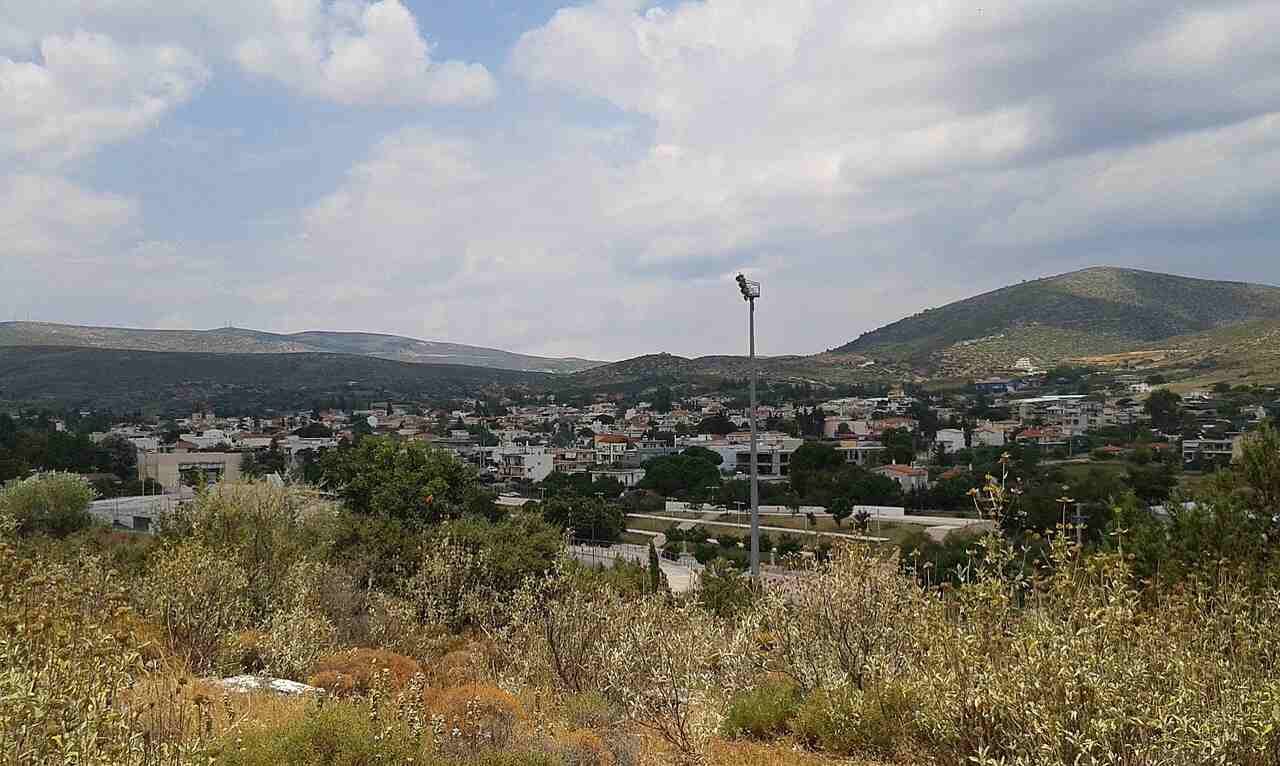
To properly answer this question, we must shift our focus away from modern athletic tracks and look directly at the map. Marathon is not merely an invented name for a race; it is an actual, historic town nestled in Greece, situated on a picturesque coastal plain in the northeast of Athens.
Today, it is a serene coastal community, but it holds the heavy, echoing weight of one of history’s most significant civilizational turning points. While modern historians and classicists frequently debate the exact historical credibility of the myths surrounding the event, the town and its ancient legacy are firmly cemented in global consciousness. The iconic Olympic event we know and revere today was undoubtedly inspired by this extraordinary past.
The Famous Battle: David Versus Goliath in Antiquity
To truly understand the immense significance of the town, we have to travel backward through time to the year 490 BCE, right in the middle of the first Persian invasion of Greece. The geopolitical situation for the local city-states was profoundly dire.
The colossal, highly disciplined, and battle-hardened army of the sprawling Persian Empire arrived on Greek shores with a singular, ruthless objective: to crush the independent Greek city-states, and specifically to burn Athens to the ground. The Athenian men, joined by only a small, fiercely loyal band of allies from the nearby town of Plataea, stood as the absolute last line of defense against an encroaching, seemingly unstoppable superpower.
Military historians estimate that more than 15,000 elite Persian soldiers stood arrayed on the wide plain of Marathon, preparing to face roughly 10,000 heavily outnumbered Greeks. Mathematically and tactically, the battle was almost certainly expected to be a swift, overwhelming victory for the Persian Empire. The Greek forces were severely outnumbered and completely outmatched in traditional open-field warfare.
However, the ingenious Greek commanders utilized the natural terrain and precise timing to their absolute advantage. Spotting a critical tactical vulnerability—the formidable Persian cavalry was temporarily missing from the front line—the Greek infantry launched a sudden, ferocious, and decisive charging assault. This breathtaking act of tactical brilliance completely shattered enemy lines, leading to one of the most improbable, consequential, and stunning victories in the entire history of antiquity.
The Legend of Pheidippides: The Ultimate Messenger
According to the popular, romanticized narrative passed down through generations, the urgent news of this miraculous military victory needed to be delivered back to Athens immediately. The leaders needed to warn the vulnerable, waiting populace of a potential retaliatory Persian naval ambush.
A legendary Greek herald and messenger named Pheidippides was chosen and tasked with this monumental, high-stakes run. Historical and mythological accounts describe him running the full, unforgiving distance—approximately 40 kilometers—straight from the bloody battlefield of Marathon all the way to the heart of Athens.
The legend vividly describes an utterly exhausted, dust-covered man reaching the city limits, delivering his triumphant news with his very final breath. He reportedly shouted "Nenikikamen!"—which translates directly to "We have won!"—or, in other alternate classical accounts, simply shouting "Nike!" (Victory).
Immediately following this final, glorious proclamation, the heroic messenger collapsed and tragically died from extreme physical exhaustion and heatstroke. While modern historians have often questioned whether this specific long-distance run happened precisely as described in ancient texts, the story has resonated powerfully through the centuries as the ultimate testament to duty, sacrifice, and human endurance.
The Global Brand: The Rise of Nike
The cultural echoes of this ancient Greek victory extend far beyond athletic stadiums and running shoes. You might naturally wonder if the modern global sportswear giant "Nike" derived its corporate name directly from this historic legend.
While the brand’s deep connection to Greek mythology is explicit and intentional, its corporate origins were actually much more modest. Founded originally in 1964, the company started under the name "Blue Ribbon Sports." It wasn't until 1971 that the founders officially adopted the iconic name "Nike."
Nike is, of course, the sacred name of the Greek Goddess of Victory. When combined with the world-famous "swoosh" logo, it creates an instant, powerful line connecting modern athletes to ancient ideals of triumph and success. The swoosh itself was famously rumored to be inspired by the sweeping wings of the Goddess Nike, symbolizing dynamic speed, forward movement, and the fleeting, beautiful nature of victory. Through branding, the ancient battlefield of Marathon and the goddess of victory have coalesced into a single, enduring modern cultural entity.
The Birth of the Modern Olympic Marathon
In 1896, when the very first modern Olympic Games were organized and hosted in Athens, the founders sought a signature event that would vividly evoke the glory of ancient Greece. They desperately wanted a competition that would represent the indomitable spirit of human endurance, athletic grit, and historical heroism.
Consequently, they officially adopted the "Marathon" as a premier long-distance racing event, originally set at approximately 40 kilometers to faithfully mirror the legendary distance Pheidippides was said to have run. This single visionary decision transformed a local historical anecdote into a universal, global standard for ultimate athletic challenge.
The Town of Marathon Today: A Living Memorial
Today, the modern town of Marathon remains a deeply moving, living memorial to the monumental events of 490 BCE. The local community still proudly celebrates the ancient victory and honors the undying memory of Pheidippides.
One of the most prominent, revered landmarks in the area is the "Tomb of Marathon," a massive earthen burial mound that serves as a solemn tribute to the brave Athenian soldiers who lost their lives defending their homeland.
Each and every year, the town organizes a major international event where thousands of participants run from the historic town of Marathon right into the heart of Athens. This serves as a powerful physical reenactment of the legendary journey, allowing modern runners from every corner of the planet to traverse the exact same plains, winding roads, and rolling hills that once served as the stage for an empire-defining struggle. Furthermore, a fascinating archaeological museum located right at the site features ancient weaponry, stone carvings, and detailed historical exhibits, ensuring that the legacy of the clash is carefully preserved for future generations.
The Unique Authenticity of the Athens Marathon
While major cities across every continent now host their own annual marathons, none can ever truly compete with the profound authenticity of the Athens Marathon.
Because it features the original, historic geographical route, it provides a direct, visceral connection to the past that no other race on Earth can replicate. You are running the exact distance—and frequently along the exact same coastal corridor—that Pheidippides once pounded across in ancient times.
The race captures the true essence of the "long run." It is far more than just a grueling test of physical stamina; it is a true pilgrimage to the very roots of human triumph. For runners who want to experience the raw intensity of that historic day, standing in the town of Marathon and looking toward the horizon gives you a perspective that an ordinary city running track simply cannot provide. It is a beautiful, demanding reminder of the extraordinary lengths to which humans will go for an ideal.
A Challenge of Enduring Human Limits
Do you continue to use the word "marathon" casually to describe any long-duration task in your everyday life? Next time you do, perhaps take a brief, reflective moment to acknowledge the long, desperate run of Pheidippides across the Greek countryside. Ask yourself: how far would you push your own limits? How far would you go for a message that truly mattered?
The timeless story of the Marathon is not just about a numerical distance; it is about the powerful intersection of raw courage, recorded history, and our relentless human drive to push past physical barriers. If you ever find yourself traveling through Greece, you owe it to yourself to visit the town of Marathon. Walk the quiet plain where the tide of human history turned, visit the ancient tomb of the fallen, and perhaps even lace up your running shoes to experience the journey firsthand. You might just find that the distance feels entirely different when you are running alongside the ghosts of ancient history, proving that while our modern lives have changed dramatically, the indomitable spirit of the marathon remains completely unchanged.