Beyond Fords and Fjords: The True Identity, Culture, and Geography of Scandinavia and the Nordic Region
When we encounter the terms "Scandinavia" and "Scandinavian countries" in casual conversation, literature, and news reports, we are stepping into a linguistic landscape filled with subtle nuance. Yet, it is remarkably common for these terms to be used interchangeably, leading to widespread confusion about which nations truly fall under the strict umbrella of Scandinavia and which belong to the broader category of the Nordic countries. Navigating the distinctions between these regions is not just an exercise in semantics; it is a gateway to deeply understanding the distinct cultural, historical, and geographical identities that define this captivating, northern part of the world.
Defining Scandinavia: The Core Trio
By the most rigorous historical, geographical, and linguistic definitions, there are only three distinct nations that comprise Scandinavia: Norway, Sweden, and Denmark. These three countries share profound, unbreakable similarities that span centuries. They are linked directly by mutually intelligible North Germanic languages, a shared history of complex political unions, and a cultural trajectory that has remained deeply intertwined for over a millennium. When we speak of "Scandinavia," we are speaking of the core historical block of nations that shaped the region’s identity through centuries of shifting power dynamics, maritime commerce, and regional cooperation.
The Broader Nordic Context: Expanding the Map
The confusion often begins when people attempt to merge Scandinavia with the wider "Nordic" region. The Nordic countries represent a larger, more inclusive geopolitical group, encompassing five sovereign nations in total: Iceland, Finland, Norway, Sweden, and Denmark.
The fundamental rule of thumb to remember is this: while all Scandinavian countries are inherently Nordic, not all Nordic countries are Scandinavian. Finland and Iceland are quintessential Nordic nations, yet they are strictly not part of Scandinavia. Finland, for example, is linguistically distinct, belonging to the Finno-Ugric language family rather than the Germanic branch, while Iceland’s dramatic isolation in the North Atlantic has fostered a unique historical and cultural development that stands apart from the mainland Scandinavian trio. Understanding this vital distinction is the first step toward appreciating the rich, multi-layered tapestry of the North.
A Premier Global Travel Destination
Nordic nations consistently and reliably dominate the annual World Happiness Report, often occupying the top tiers of the global list year after year. This fascinating phenomenon has sparked intense global curiosity: what is it about these northern societies that fosters such remarkably high levels of well-being, trust, and social cohesion?
For an international traveler, these nations offer vastly more than just a dry case study in successful social policy; they provide an immersive travel experience characterized by exceptional personal safety, unparalleled public infrastructure, and a profound, collective respect for the natural world. Whether you are looking for urban sophistication in the design-forward streets of Stockholm, the dramatic, raw volcanic wilderness of Iceland, or the serene, fjord-carved coastal landscapes of Norway, these countries stand as some of the most rewarding and memorable destinations on the planet.
Vikings and the Myth of Ethnicity
Many people instinctively associate the Vikings with the entirety of the Scandinavian region, assuming that being a "Viking" describes a distinct ethnicity or a permanent nationality. This is a remarkably common historical misconception. Being a "Viking" was never an ethnicity; it was a profession—a seasonal, maritime activity that involved international trade, exploration, and, occasionally, raiding coastal settlements.
Vikings were the daring seafaring adventurers who utilized advanced, revolutionary shipbuilding technology to traverse the treacherous North Sea and the wide Atlantic. While it is undeniably true that the Viking Age originated from the Scandinavian regions and spread outward across Europe, "Viking" is a role, not a genetic heritage. When you travel to these regions today, you are walking in the footsteps of a society that was far more multifaceted, artistic, and peaceful than the one-dimensional Hollywood myth of the bloodthirsty "raider" suggests.
The Phenomenon of Light and Darkness
One of the most profound and striking physical adjustments for any traveler in the North is the daily reality of the extreme celestial cycle. In the far northern reaches of the Scandinavian and Nordic territories, the sun can remain high above the horizon for weeks on end during the summer months, creating the legendary and surreal "Midnight Sun." During these bright days, the traditional human concept of a dark "night" effectively vanishes, and the entire landscape is bathed in a perpetual, ethereal twilight that keeps outdoor cafes buzzing long past midnight.
Conversely, the winter months bring the stark, meditative reality of the "Polar Nights," where the sun may not rise above the horizon at all for extended, weeks-long periods. This dramatic contrast—the extreme, joyous abundance of summer light followed by the deep, contemplative winter darkness—is a core, defining part of the northern human experience. Whether this is a phenomenon you actively seek out for its cozy charm or find mentally challenging, it is undeniably a unique facet of life in these high latitudes that shapes everything from local interior architecture and lighting design to seasonal cultural festivals.
The Majesty of the Coastline: Norway’s Fjords
Norway proudly boasts the longest coastline in the entire Nordic region, spanning an astonishing 80,000 kilometers when measured in its entirety, including all its thousands of offshore islands, skerries, and deep inlets. This staggering coastline is globally defined by the presence of iconic fjords—deep, narrow inlets of the sea flanked by towering, sheer rock cliffs that drop vertically into dark, calm waters.
These geological marvels are the direct result of ancient glacial activity during the last ice age and are widely considered some of the most breathtaking natural sights on Earth. Exploring these majestic fjords by boat or ferry is arguably the most immersive way to experience the immense scale and raw, untouched beauty of the region.
A Unified Aesthetic: The Nordic Cross
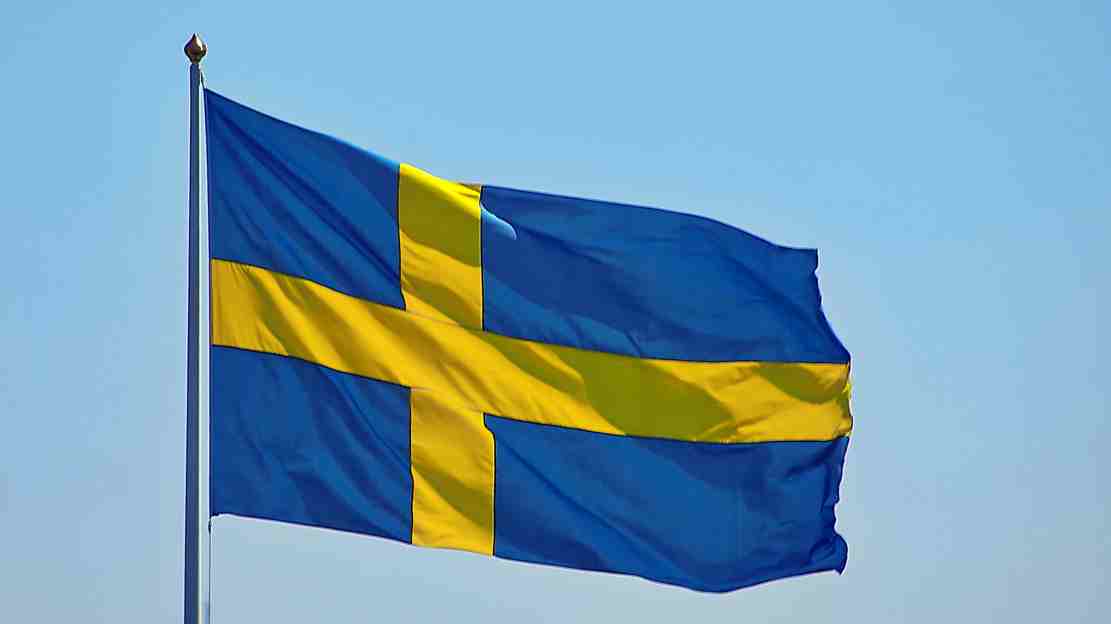
If you take a close look at the official flags of the five sovereign Nordic nations, you will immediately notice a common, unifying design element: the Nordic Cross. This iconic pattern, featuring an asymmetric cross shifted toward the hoist side, symbolizes the shared historical heritage, religious roots, and deep cultural ties of the region.
Among these banners, the flag of Denmark—historically known as the Dannebrog—is universally recognized as the oldest national flag still in continuous use by any sovereign state today. It serves as a striking visual reminder of the deep, enduring history that links these five distinct nations together through time.
Cultural Contributions and Modern Global Brands
The cultural and economic impact of the Nordic countries extends far beyond ancient history into the modern digital age. Finland, for example, famously gave the world Nokia, which was once the undisputed, titan leader of the global mobile phone industry during the dawn of the cellular age. The name "Nokia" is not just a corporate brand; it is an actual town and a rushing river located in southern Finland.
Beyond telecommunications, the region has quietly emerged as an absolute powerhouse in the global gaming and technology industry. Supercell, the Finnish mobile gaming company behind massive viral global sensations like Clash of Clans, is a testament to the region’s laser focus on innovation, creative freedom, and clean, high-quality design.
Essential Travel Checklist for Northern Explorers
If you are planning an exciting excursion to the Nordic regions, your packing and planning checklist should be strategic and well-thought-out. Your travel itinerary should ideally include a healthy balance between the sophisticated urban centers—such as the design-forward cities of Copenhagen and Helsinki—and the wild, protected national parks of the countryside.
Plan your timing carefully to witness either the Midnight Sun in the mid-summer or the elusive, dancing Aurora Borealis in the depths of winter. Do not forget to prioritize historical exploration; visit the ancient Viking burial mounds, museums, and coastal towns that trace the roots of northern heritage, and always carve out dedicated time for the fjords, which remain the undisputed crown jewels of the North.
Festivals and the Nordic Calendar
The Nordic regions host some of the most unique, atmospheric festivals in all of Europe. In Denmark and Norway, you can witness authentic recreations of historic Viking markets and games that bridge the gap between education and high-energy entertainment.
Throughout the year, there are also numerous traditional celebrations tied to the solstices and equinoxes, marking the dramatic shifting light of the changing seasons. These local festivals provide a wonderful window into the Scandinavian and Nordic psyche, offering visitors a chance to see firsthand how these communities celebrate their long history and their deep, respectful connection to the surrounding natural environment.
Choosing the Ideal Season to Visit
When is the absolute best time to book your trip? Summer, spanning smoothly from June to August, is generally recommended for the first-time visitor. Temperatures typically hover comfortably between 10°C and 25°C, providing the ideal climate for hiking through national parks, cruising the deep fjords, and attending lively outdoor music festivals.
Winter, however, offers a completely different, darker, and arguably much more magical aesthetic. If you choose to brave a winter journey, you will experience the profound stillness and coziness of the polar nights, but you must be thoroughly prepared with high-quality, thermal-layered clothing. Facing the subarctic winter is an unforgettable adventure in itself, provided you are well-equipped to handle the plummeting temperatures and short days.
A Final Reflection on Northern Life
The Nordic countries offer a rare, inspiring opportunity to witness how modern industrial societies can successfully prioritize community welfare, minimalist design, and deep harmony with nature. To truly understand how some of the happiest people on Earth live, you must experience their heritage, geography, and culture firsthand.
Whether you are drawn to the rugged history of the Vikings, the stunning geography of the coastal fjords, or the modern innovation of their tech and design sectors, these nations are undoubtedly worth visiting. Just ensure you come prepared with both the right thermal attire for the climate and the right open mindset to embrace the unique cadence of northern life—from the endless, sunlit energy of summer to the profound, meditative stillness of the winter night.